
Introduction: The Heart of WoW’s Conflict
World of Warcraft (WoW) has always been defined by its central conflict: the battle between the Alliance and the Horde. These two factions are the backbone of the game’s story and lore, and players are given the choice of which side to join. The Alliance and the Horde represent not only different ideologies and races but also a long history of conflict, betrayal, and cooperation. In this article, we’ll dive deep into the Alliance vs. Horde dynamic, exploring the history, key players, and ongoing tensions that define this epic rivalry.

The Origins of the Alliance and Horde
The Alliance and the Horde were formed out of necessity and survival. While their founding members were vastly different, the threat of powerful enemies like the Burning Legion and the Old Gods forced these factions to take shape. Over time, the factions’ ideologies have diverged, but the rivalry has remained strong.
Historical Foundations
- The Alliance – Originally founded by humans to combat the rising threats to Azeroth, the Alliance has grown to encompass various races, including dwarves, night elves, and gnomes. The Alliance is focused on diplomacy, justice, and a united front against evil.
- The Horde – The Horde was initially created by the Orcs, who were corrupted by demonic influence. Over time, the Horde expanded to include other races such as trolls, tauren, and blood elves, with a focus on survival, strength, and honor.
- The First and Second Wars – The Alliance and Horde’s early conflicts were marked by the First and Second Wars, where the factions clashed in massive battles over territory and control of Azeroth.
Core Factions and Their Ideologies
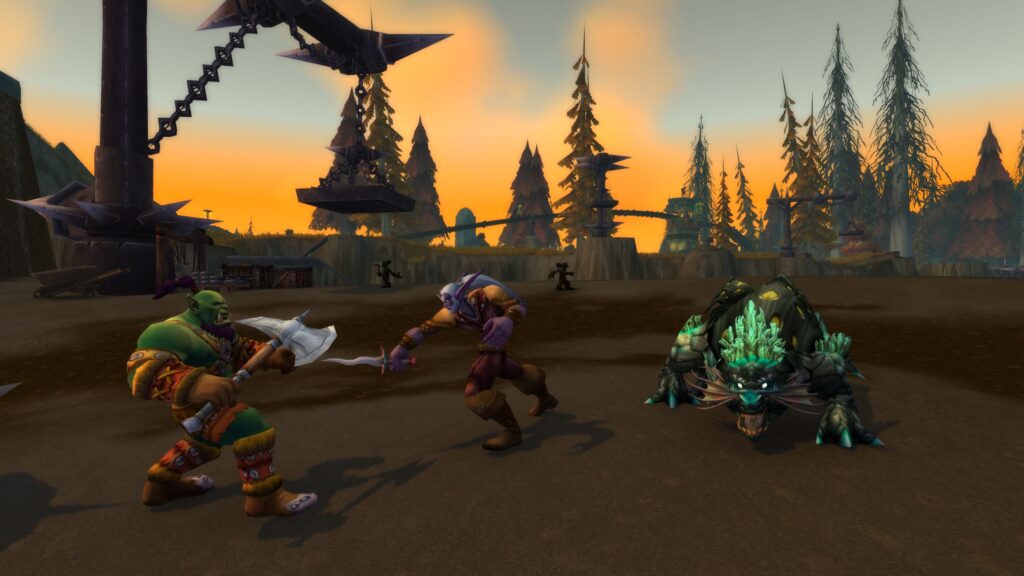
The Alliance and Horde are made up of a diverse range of races and groups, each with their own unique ideologies and goals. These differences often contribute to the ongoing tension between the two factions.
Faction Breakdown
- Alliance Races – The Alliance consists of races like humans, night elves, dwarves, and gnomes, each with its own values, from the human focus on order and diplomacy to the night elves’ deep connection with nature and balance.
- Horde Races – The Horde is made up of races like orcs, trolls, and tauren, with a focus on strength, tradition, and honor. While often seen as more brutal, the Horde values loyalty and camaraderie.
The Role of Leaders: Key Figures in the Faction Wars
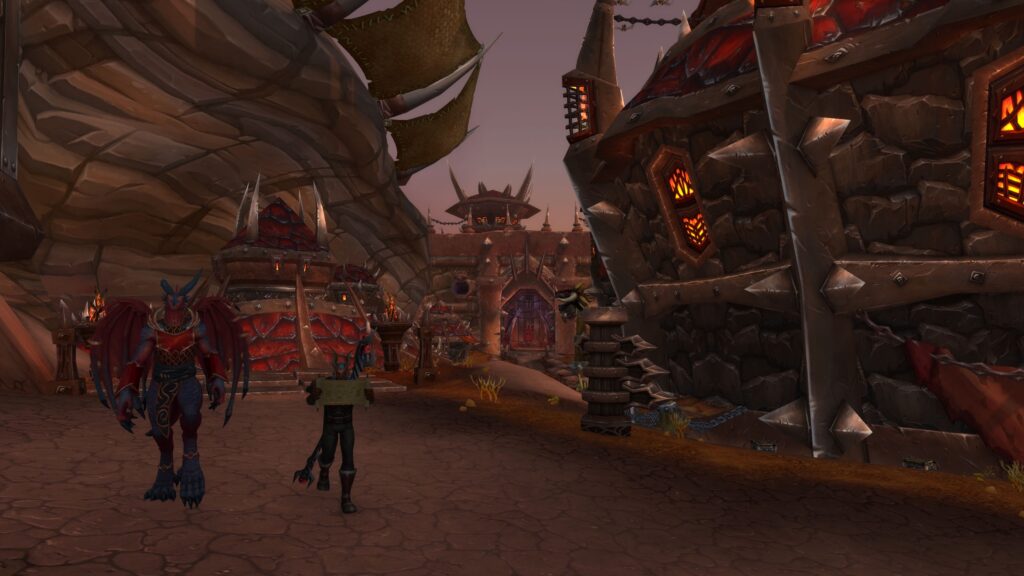
Both the Alliance and the Horde have had iconic leaders who shaped their factions’ directions. These leaders not only play pivotal roles in the faction’s strategy but also influence the ongoing battles and conflicts between the two sides.
Notable Leaders of the Alliance and Horde
- Anduin Wrynn – The current King of Stormwind, Anduin represents the values of diplomacy and peace. However, his leadership is often tested by the growing tension with the Horde.
- Sylvanas Windrunner – The former Warchief of the Horde, Sylvanas represents a darker side of the Horde, seeking to bring about change through controversial and often ruthless methods.
- Thrall – A pivotal figure in the history of the Horde, Thrall led the orcs out of oppression and into a new era of leadership, striving for peace but constantly caught in the war with the Alliance.
The Ongoing Conflict: Faction Wars in Modern WoW
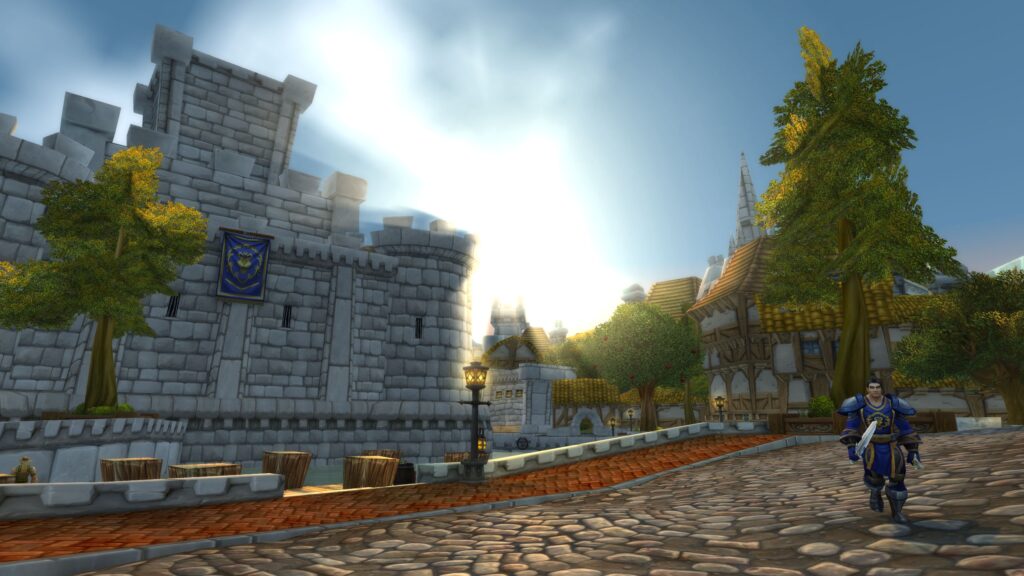
While there have been moments of cooperation, such as during the fight against the Burning Legion, the war between the Alliance and Horde continues to be a defining feature of WoW. Players on either side find themselves involved in ongoing battles, political intrigue, and conflicts that shape the fate of Azeroth.
Recent Conflicts and Tensions
- The Siege of Orgrimmar – The Alliance and Horde faced off in one of the most epic confrontations in WoW’s history, culminating in the fall of the infamous Garrosh Hellscream and his reign as Warchief.
- The Burning of Teldrassil – A pivotal moment in the war, the burning of the night elf capital, Teldrassil, by the Horde marked a dramatic escalation in the faction conflict and intensified the hatred between the two sides.
Conclusion: The Future of the Faction Wars
While the conflict between the Alliance and the Horde continues to shape the world of Azeroth, there is always the potential for new alliances, betrayals, and shifts in power. The tension between these two factions remains one of the central themes in WoW’s ongoing narrative, driving both the story and gameplay. As the game evolves, the future of the faction wars remains uncertain, but one thing is for sure: the rivalry will continue to define the world of World of Warcraft for years to come.
Home
Leave a Reply