
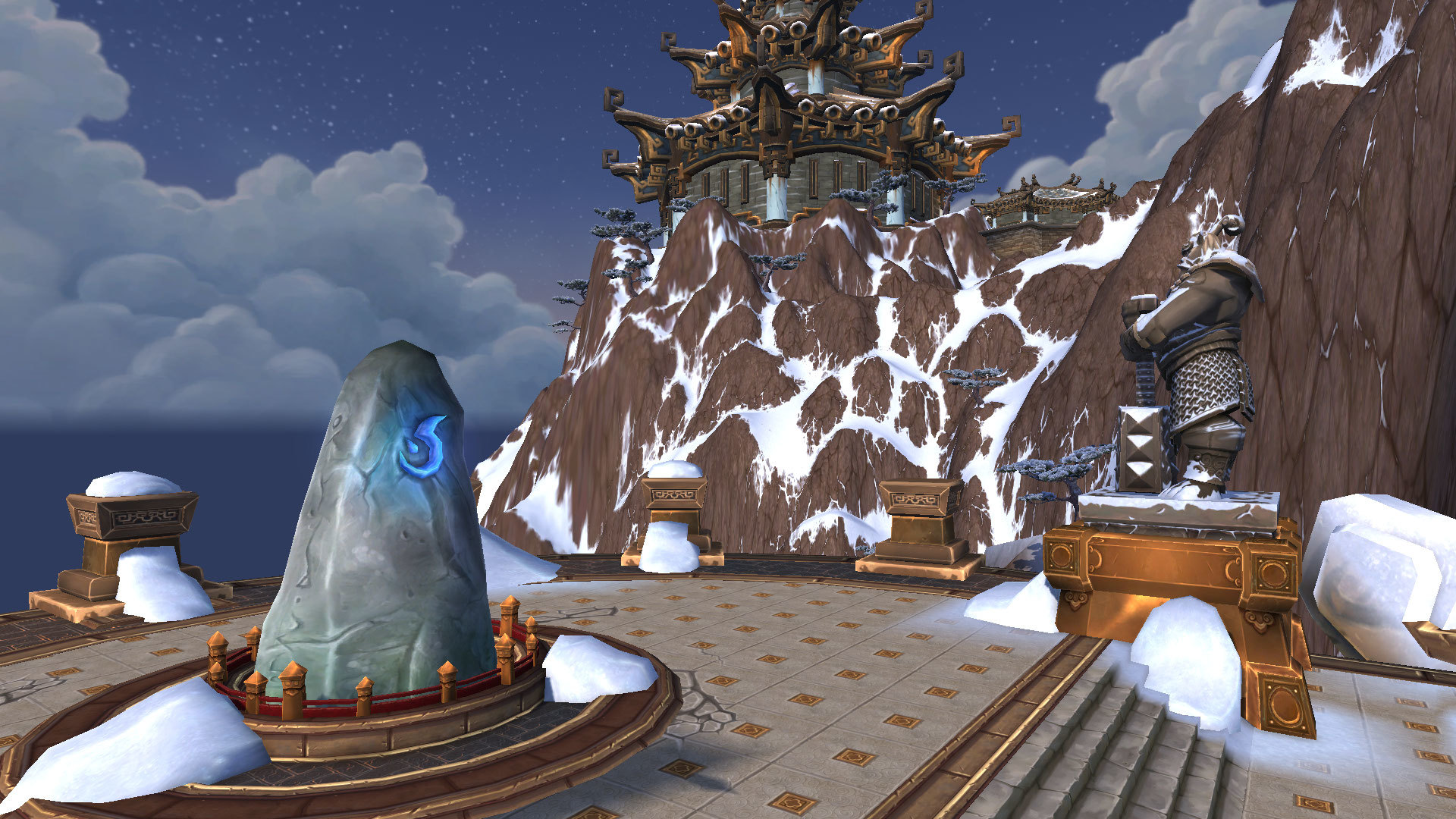
The introduction of the Flex Raiding system during the Mists of Pandaria expansion marked a significant shift in how players approached group content in World of Warcraft. Before this innovation, players were often constrained by rigid raid sizes, which could lead to frustration and difficulty in assembling the ideal team. Flex Raiding allowed for a more dynamic approach, enabling groups to adjust their size based on the number of participants. This guide delves into the mechanics of Flex Raiding, its advantages, and how it reshaped the raiding landscape for both casual and hardcore players.
What is Flex Raiding?
Flex Raiding is a system that allows players to form raid groups of varying sizes, typically ranging from 10 to 25 players. This feature was designed to provide a more accessible and inclusive experience for players who may not have a consistent raid group. The encounters are dynamically scaled, meaning that the difficulty adjusts according to the number of players present. This scaling mechanic ensures that even smaller groups can tackle content without being overwhelmed while still providing a challenge for larger groups. Moreover, the loot distribution system is designed to cater to the flexible nature, rewarding players based on their contributions regardless of group size.
Advantages of Flex Raiding
One of the most significant advantages of Flex Raiding is its ability to accommodate varying player availability. This system reduces the pressure on guild leaders and raid organizers to have a full roster of players at all times. Additionally, it allows for a more relaxed raiding environment where friends can join in without feeling the pressure of strict size requirements. With Flex Raiding, players can experience the full narrative and mechanics of raids without the stress of being locked out due to low attendance. Furthermore, the dynamic scaling means that players can fine-tune their strategies and compositions, experimenting with different roles without the risk of wasting valuable raid time.
Understanding Encounter Scaling
Encounter scaling is a crucial aspect of the Flex Raiding system that determines how the fights adapt to the number of participants. The health, damage output, and ability mechanics of bosses adjust based on the size of the raid group. For example, if a raid group of 10 players faces a boss, that boss will have lower health and deal less damage compared to the same boss faced by a full 25-player raid. This scaling allows for a balanced experience, preventing larger groups from easily steamrolling content while also ensuring that smaller groups are not overwhelmed. Below is a table illustrating how encounter scaling works in a Flex Raid environment:
| Group Size | Boss Health | Damage Output | Ability Scaling |
|---|---|---|---|
| 10 Players | 75% of normal | 80% of normal | 75% effectiveness |
| 15 Players | 90% of normal | 95% of normal | 90% effectiveness |
| 25 Players | 100% of normal | 100% of normal | 100% effectiveness |

Strategies for Effective Flex Raiding
To maximize success in Flex Raiding, it’s essential to employ specific strategies that consider the unique aspects of scaling encounters. First and foremost, communication is key; players should actively discuss their roles and expectations prior to engaging in a boss fight. Additionally, understanding the mechanics of each encounter is crucial, as certain abilities may hit harder or require more coordination depending on the group size. Here are some recommended strategies for effective Flex Raiding:
- Establish clear roles and responsibilities before the raid starts.
- Utilize voice communication tools to enhance coordination during encounters.
- Adapt your strategy based on group composition, considering factors like DPS, healing, and crowd control.
- Encourage players to bring a variety of classes to maximize synergy.
The Future of Raiding Beyond Pandaria
The introduction of Flex Raiding in Pandaria set a precedent that has influenced subsequent expansions in World of Warcraft. Blizzard has continued to evolve raid design, incorporating elements of flexibility and accessibility in newer content. As players continue to seek new challenges, the principles established by Flex Raiding—such as dynamic scaling and adaptive difficulty—will likely remain a cornerstone of future raiding systems. This evolution not only enhances player engagement but also fosters a thriving community that can tackle content together, regardless of their individual schedules or group sizes.

Leave a Reply