
Introduction. Few games have maintained a living, breathing world as effectively as World of Warcraft. Nearly twenty years after launch, Azeroth still feels vibrant—its zones dynamic, its cities bustling, and its landscapes full of purpose. Each expansion adds layers to the world without erasing its history, creating a sense of continuity that few MMOs achieve. Whether players are exploring the plains of Nagrand or the isles of the Dragonflights, WoW’s open world remains a masterpiece of interactive world-building that evolves without losing its soul.
This article explores the design principles, environmental storytelling, and community dynamics that keep Azeroth alive, proving that the secret to WoW’s longevity lies not in its size, but in its constant renewal.
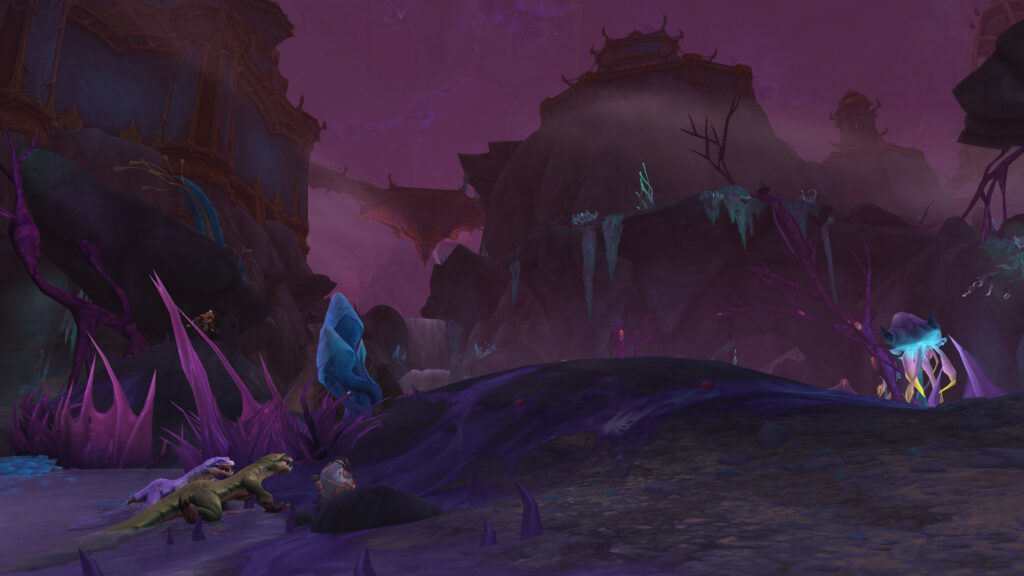
Living Design: Dynamic Systems and Player Interaction
From day one, Blizzard built WoW’s open world to respond to players. Early quest hubs grew busier as more adventurers arrived, rare spawns created competition and cooperation, and spontaneous PvP skirmishes gave every zone an unpredictable pulse. Over time, systems like world quests, scaling zones, and dynamic events deepened that sense of life. The world doesn’t wait—it moves.
In modern expansions, these systems evolved into a seamless loop of discovery. Events like Storm’s Fury or Elemental Invasions create shared experiences that unite players, while scaling ensures that even older zones remain relevant. This interactivity transforms Azeroth from static geography into a living ecosystem—one that feels as reactive to players as they are to it.
Environmental Storytelling and Timeless Atmosphere
Each zone in WoW tells a story through its design. The haunting ruins of Lordaeron whisper tragedy; the tranquil forests of Elwynn breathe nostalgia. Blizzard’s world-building team understands that visual storytelling sustains emotional engagement. Subtle details—like the distant toll of Stormwind’s bells or the shifting light in Grizzly Hills—anchor the world in sensory memory.
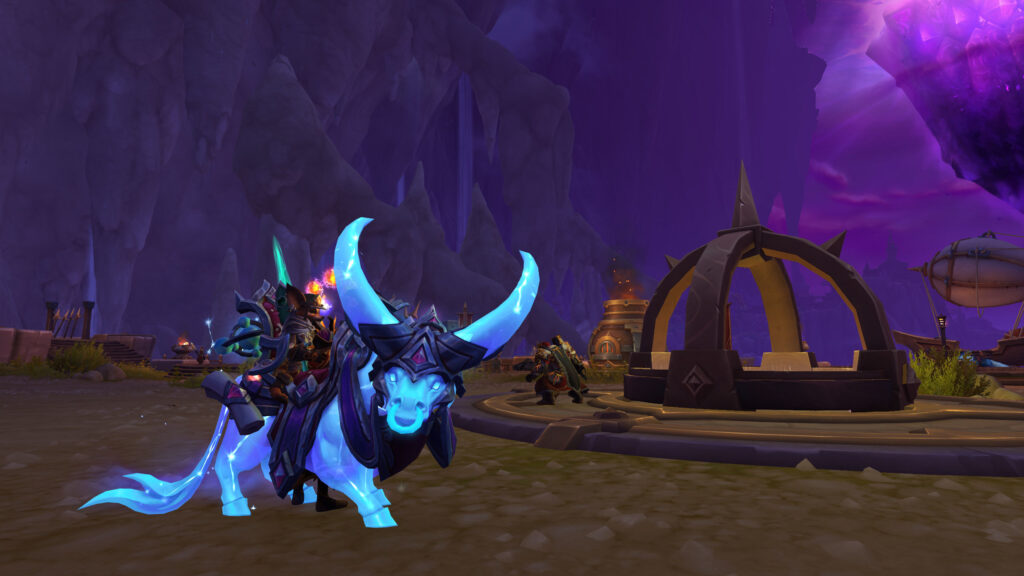
Even decades later, these environments evoke emotion. Returning players often describe revisiting old zones as coming home. That feeling arises not just from nostalgia, but from design intent: zones are crafted to feel timeless, blending old and new assets to preserve continuity. Each region retains its cultural flavor while evolving through world events and updates.
The Role of Player Communities
While Blizzard’s design provides the framework, it’s the players who breathe soul into Azeroth. Every guild raid, world boss hunt, or trade chat joke contributes to the world’s identity. This human element transforms static landscapes into lived-in environments. Player events, from impromptu RP gatherings in Goldshire to large-scale PvP battles in Ashenvale, keep the world unpredictable and personal.
Even as automation and cross-server systems expanded accessibility, the core of WoW’s world remained social. Public events, emotes, and shared objectives encourage organic connection. Azeroth feels alive because it’s not just simulated—it’s inhabited.
| Element of World Design | Blizzard’s Implementation | Player Impact | Resulting Effect |
|---|---|---|---|
| Dynamic Events | Scaling invasions and timed encounters | Encourages cooperation and excitement | Creates a reactive environment |
| Environmental Details | Music, lighting, and weather variation | Deepens immersion | Makes the world feel authentic |
| Community Presence | Shared world zones and RP hubs | Fosters identity and continuity | Turns geography into culture |
World Updates and Evolution
One of Blizzard’s greatest achievements is its ability to evolve the world without fragmenting it. Phasing technology, timewalking campaigns, and story progression ensure that Azeroth remains relevant for all players, regardless of level or expansion. Older areas receive visual updates or narrative callbacks, ensuring they never feel forgotten. This design philosophy respects the game’s history while keeping it modern.
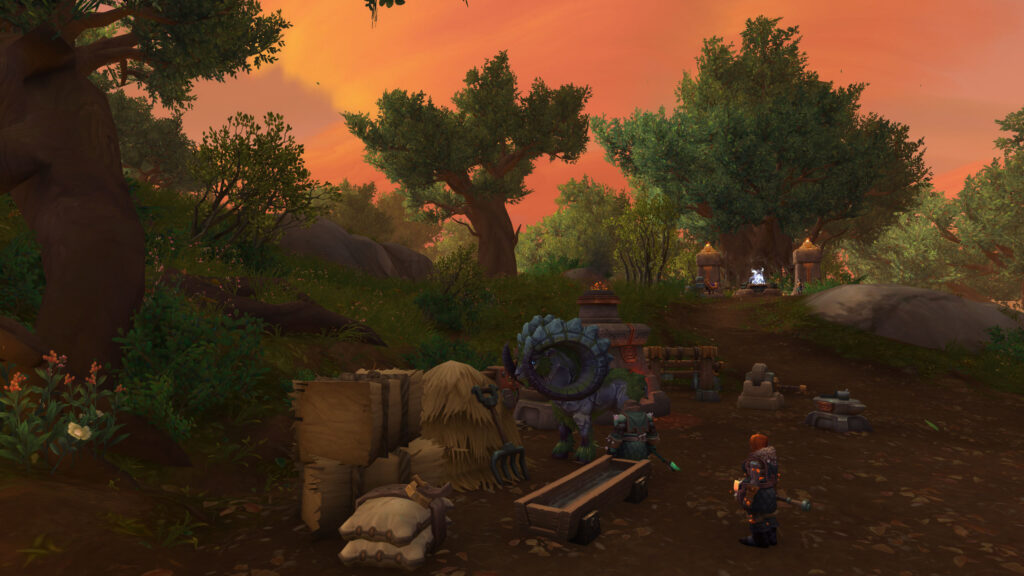
The result is a sense of living history—players can revisit past conflicts, witness restored cities, or participate in events that tie together generations of content. Azeroth’s timeline may expand infinitely, but its heart never drifts from the players who built it.
Conclusion
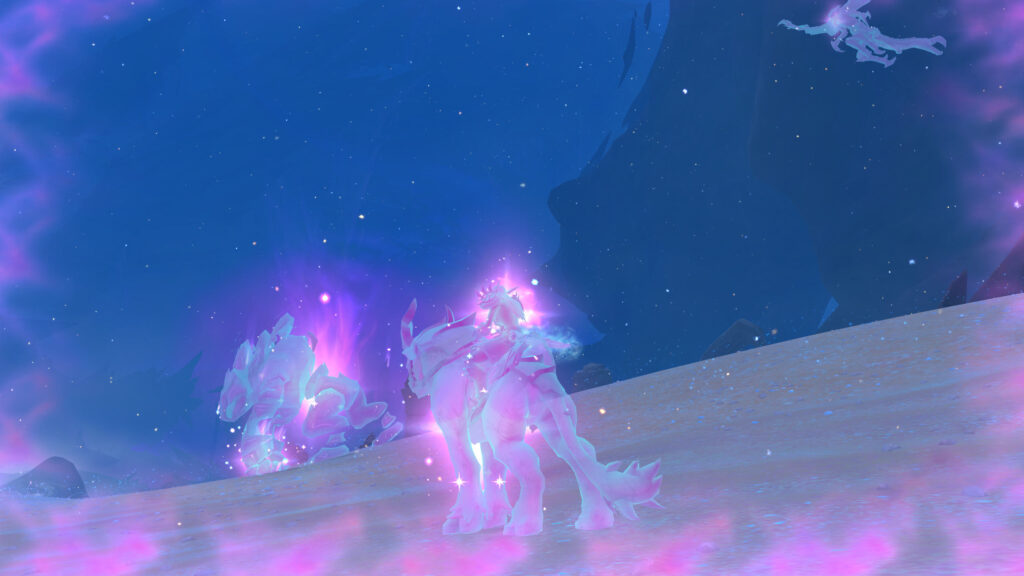
WoW’s open world feels alive because it never stops growing alongside its players. Blizzard’s blend of responsive systems, evocative design, and human interaction ensures that Azeroth remains more than a setting—it’s a living narrative. Even after countless expansions, each sunrise over Stormwind and each storm in Pandaria feels new, reminding players that this isn’t just a world to explore—it’s a world to live in.
Leave a Reply