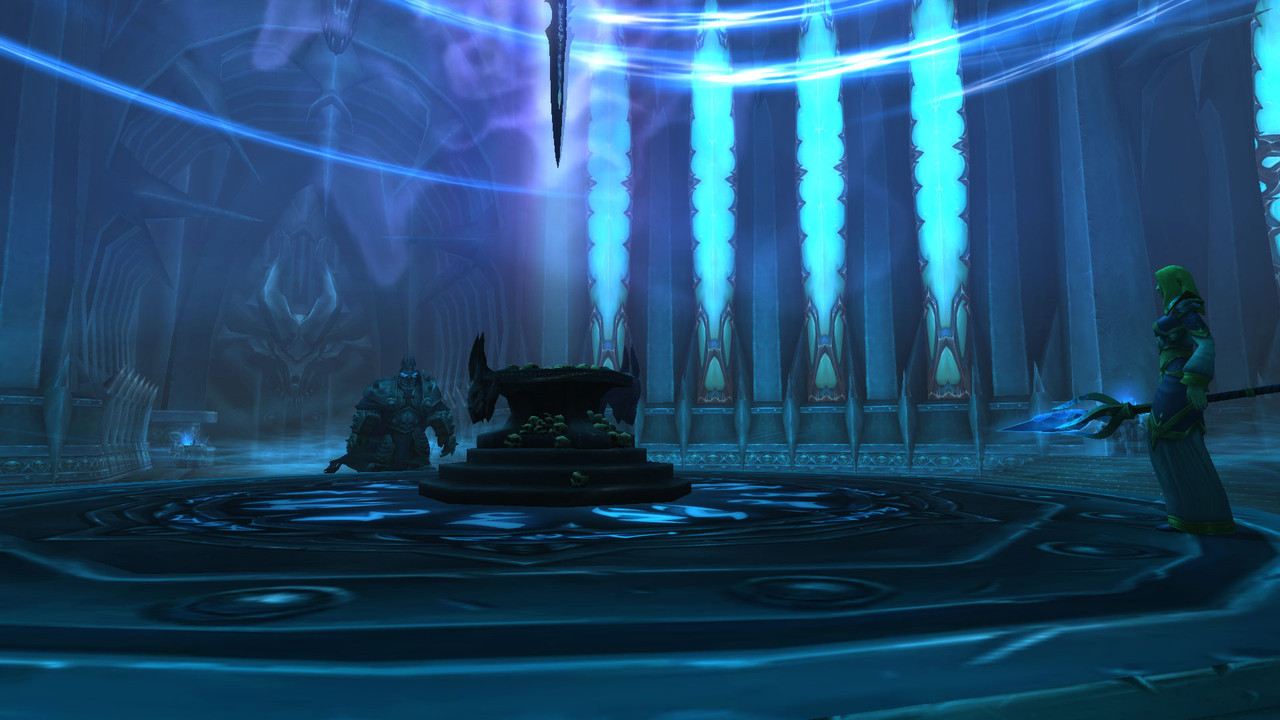
The dungeons of Wrath of the Lich King, particularly Forge of Souls, Pit of Saron, and Halls of Reflection, are often celebrated as a perfect trilogy due to their interconnected narratives, gameplay mechanics, and thematic depth. Each dungeon not only serves as a standalone experience but also contributes to a larger story arc that enhances player engagement. This guide delves into the unique aspects of each dungeon, their design philosophy, and how they collectively create an unforgettable experience for players.
What Are the Key Features of Forge of Souls, Pit of Saron, and Halls of Reflection?
The key features of these dungeons include unique mechanics, compelling storytelling, and a cohesive visual design that ties them together, creating a seamless experience.
These three dungeons are not just individual encounters; they are intricately designed to complement each other. The metrics below highlight their unique attributes, showcasing how they contribute to the overall narrative and gameplay experience. Understanding these features can enhance your approach to each dungeon.
| Dungeon Name | Unique Mechanics | Story Elements | Visual Design |
|---|---|---|---|
| Forge of Souls | Souls of the Damned | Introduction to the Lich King | Dark, cold atmosphere |
| Pit of Saron | Mine Cart Chase | Rescue of the Prisoners | Industrial, grim setting |
| Halls of Reflection | Reflection Mechanic | Final Confrontation with the Lich King | Haunting, reflective visuals |
How Do the Dungeons Interconnect Thematically and Mechanically?
Thematically and mechanically, these dungeons interconnect through their narrative progression and gameplay mechanics, creating a cohesive experience that enhances player immersion.
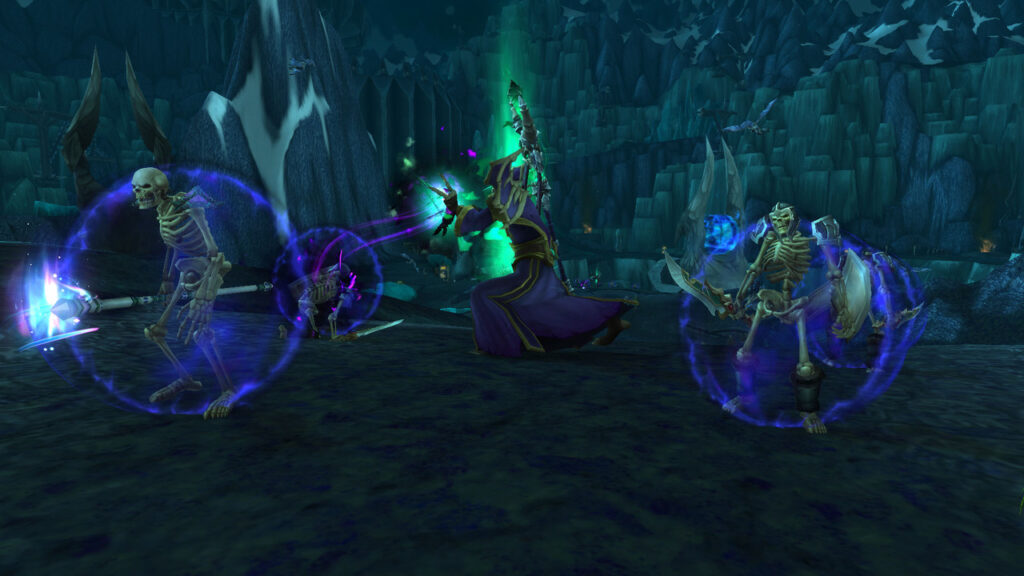
The Forge of Souls serves as the gateway to the Lich King’s domain, introducing players to the chilling atmosphere and the stakes involved. It sets the tone for the subsequent dungeons by presenting the concept of the souls being manipulated by the Lich King. The mechanics in this dungeon, such as the Soulbreaker and the interaction with the souls, create a sense of urgency and danger that permeates the entire trilogy.
Moving into the Pit of Saron, players encounter a shift in gameplay with the mine cart chase, which serves as a dynamic mechanic that contrasts with the previous dungeon’s slower pace. This dungeon not only continues the narrative of the Lich King’s influence but also introduces the concept of rescuing the imprisoned souls, thereby deepening the emotional stakes. The mechanics, including the need to manage adds and navigate the environment, build on the foundational gameplay established in the Forge of Souls.
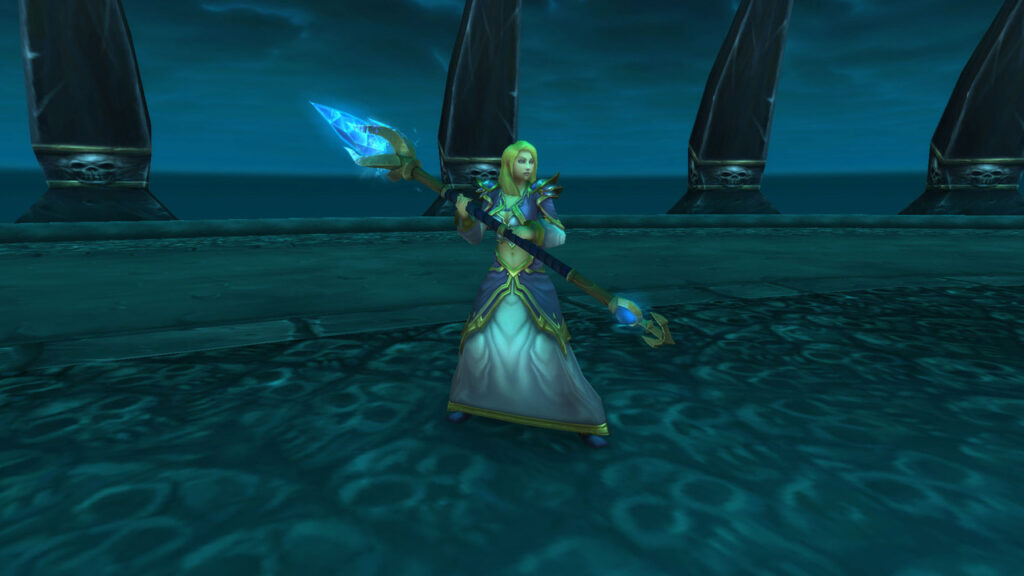
Finally, the Halls of Reflection culminate the trilogy by bringing players face-to-face with the Lich King himself. The reflective mechanics challenge players to confront their own actions and decisions throughout the dungeons. This final encounter ties together the narrative threads of the previous dungeons, emphasizing the consequences of the players’ journey. The combination of storytelling, gameplay mechanics, and thematic depth creates a rich tapestry that resonates with players long after they complete the trilogy.
What Are the Essential Strategies for Completing Each Dungeon?
To successfully complete each dungeon, players should employ specific strategies tailored to the unique mechanics and challenges presented in each encounter.
In the Forge of Souls, players should prioritize managing the adds that spawn during the encounter with Bronjahm, as they can quickly overwhelm unprepared groups. Utilizing crowd control abilities and focusing on the Soulbreaker’s mechanics will ensure a smoother fight. Communication is key; players should call out when to interrupt abilities and when to stack for healing. Understanding the timing of the Soulstorm is crucial for survival.
For the Pit of Saron, players must be adept at handling the mine cart mechanics. It’s essential to coordinate with your team to ensure that everyone is on the same cart and ready to deal with the incoming enemies. During the boss fight with Scourgelord Tyrannus, players should focus on interrupting his abilities and managing the adds that spawn. Positioning is vital to avoid unnecessary damage and to keep the group intact.
- Prepare for the Forge of Souls by ensuring your group has a balanced composition, including crowd control and healing capabilities.
- During the Pit of Saron, communicate effectively to manage the mine cart mechanics and ensure everyone is on the same page.
- In the Halls of Reflection, utilize the reflective mechanics to your advantage, ensuring that players are aware of their surroundings and can react accordingly.
- Always have a strategy for each boss encounter, including interrupt rotations and positioning to minimize damage taken.
What Are the Key Takeaways for Players Engaging with This Dungeon Trilogy?
Key takeaways for players include understanding the interconnected nature of the dungeons, mastering their unique mechanics, and appreciating the narrative depth that enhances the overall experience.
Engaging with these dungeons requires players to recognize the importance of teamwork and communication. Each dungeon builds upon the last, making it essential to understand the mechanics introduced in Forge of Souls before tackling the Pit of Saron and Halls of Reflection. Players should take the time to familiarize themselves with the lore and narrative elements, as this enriches the gameplay experience and provides context for their actions.
Additionally, players should focus on honing their skills in managing adds, positioning, and utilizing class abilities effectively. The mechanics in each dungeon are designed to challenge players and encourage strategic thinking. By mastering these elements, players can not only complete the dungeons more efficiently but also enjoy the rich storytelling woven throughout the trilogy. Ultimately, this dungeon trilogy exemplifies the pinnacle of dungeon design in World of Warcraft, combining challenging gameplay with an engaging narrative.
What Common Challenges Do Players Face in These Dungeons?
Common challenges include managing adds, understanding mechanics, and coordinating with team members, which can lead to difficulties in completing the dungeons.
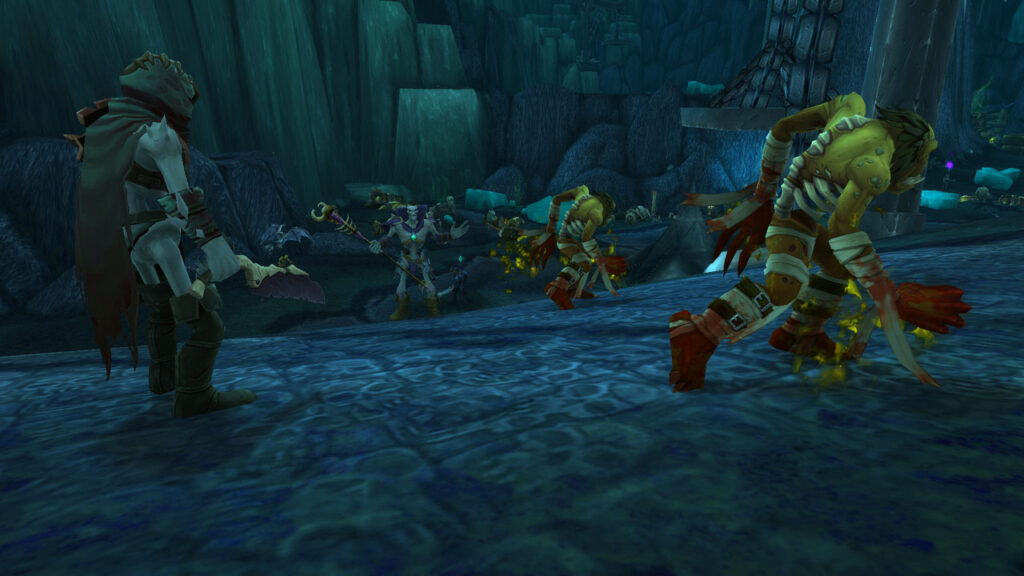
Players often struggle with the mechanics of each dungeon, particularly in the Forge of Souls where the Soulstorm can be devastating if not managed properly. Additionally, the adds that spawn during encounters can quickly overwhelm unprepared groups, leading to wipes. In the Pit of Saron, the mine cart mechanics can be confusing for players unfamiliar with the timing and coordination required, resulting in missed opportunities to deal damage or heal effectively.
Furthermore, in the Halls of Reflection, players may find themselves overwhelmed by the reflective mechanics if they do not communicate effectively. The need to react quickly to the Lich King’s abilities can lead to panic, causing players to make mistakes. To mitigate these challenges, players should engage in thorough preparation, including understanding each dungeon’s mechanics and developing a clear strategy with their team before entering. Regular practice and communication can significantly enhance the overall success rate in these challenging dungeons.
What Future Trends May Influence Dungeon Design in World of Warcraft?
Future trends in dungeon design may focus on enhancing player engagement through innovative mechanics, deeper storytelling, and improved accessibility for diverse player groups.
As the gaming landscape evolves, developers may look to incorporate more dynamic mechanics that adapt to player choices, creating a more personalized experience. This could include branching narratives that change based on player decisions, similar to the choices made in the Halls of Reflection. Additionally, the integration of technology such as augmented reality could enhance immersion, allowing players to interact with the environment in new ways.
Moreover, accessibility will likely become a key focus, ensuring that players of all skill levels can enjoy the content. This could involve implementing adjustable difficulty settings, clearer tutorials, and more intuitive mechanics that cater to both casual and hardcore players. By embracing these trends, future dungeons in World of Warcraft can continue to build upon the legacy established by the Forge of Souls, Pit of Saron, and Halls of Reflection, ensuring that they remain engaging and relevant in an ever-changing gaming environment.
Leave a Reply